Bananas
A peel-and-eat snack. See the nutrition for one medium banana and how the portion compares by weight.
Fresh fruit grade A
No added sugar, with sodium and saturated fat each below 5% DV per listed fruit portion.
How the grades work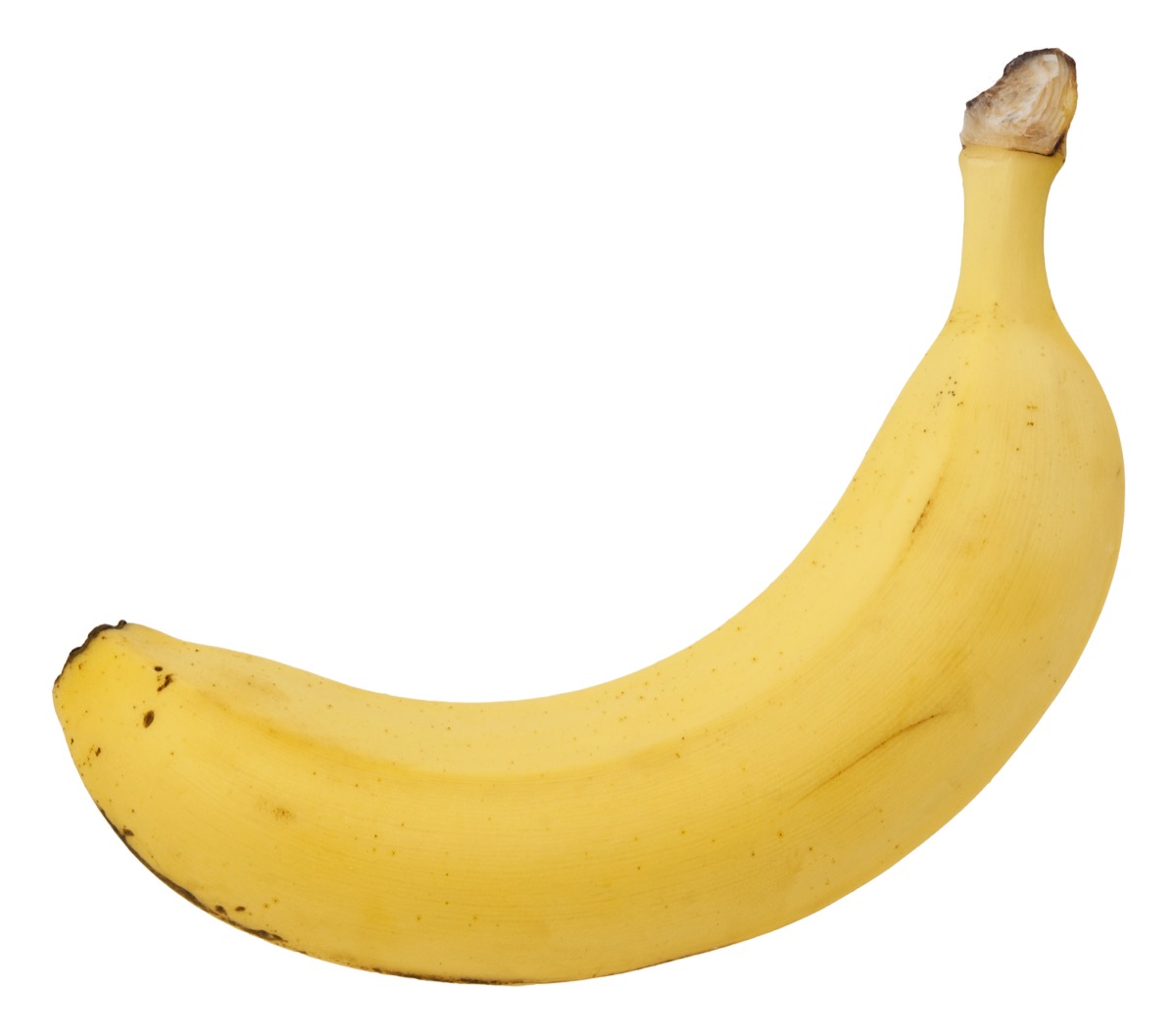

What counts as one?
1 medium banana · 126g edible portion
The reference weight is the edible banana, without its peel.
This is a nutrition reference portion, not a recommended serving for every child.
Nutrition
| Nutrient | Per fruit | Per 100g |
|---|---|---|
| Calories | 110 kcal | 87.3 kcal |
| Carbohydrate | 30 g | 23.8 g |
| Fiber | 3 g | 2.4 g |
| Total sugars | 19 g | 15.1 g |
| Protein | 1 g | 0.8 g |
| Total fat | 0 g | 0 g |
| Sodium | 0 mg | 0 mg |
| Potassium | 450 mg | 357.1 mg |
FDA figures are rounded estimates for the edible portion. Per 100g figures are calculated from those rounded values. A displayed zero does not mean a nutrient is entirely absent.
View the FDA banana referenceWhat it contributes
The reference banana provides 3g of fiber and 450mg of potassium. It has 30g of carbohydrate, including 19g of naturally occurring sugars.
Plain fresh fruit has no added sugar. The total sugars in the table are naturally present; adding a sweetened topping changes that. How the FDA defines added sugar.
For the lunchbox
Leave the peel on until snack time and pack the banana where it will not be crushed. If your child needs help peeling it, plan for that before sending one to school.
Rinse fruit under running water before eating, peeling or cutting. Skip soap. Keep purchased pre-cut fruit refrigerated. FDA produce advice.
For young children, adapt the shape, size and texture to their eating skills. CDC preparation guidance.